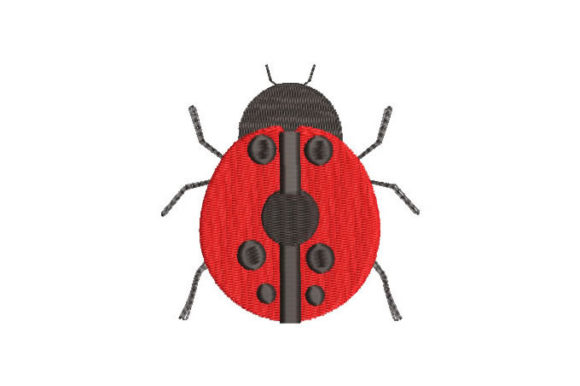
Craft Fair Success: Reviewing the Red Ladybug Embroidery Design
As an embroidery designer preparing for a weekend craft fair, every design choice matters. You’re curating a booth that tells a story and captures attention in a crowded marketplace. Today, I’m reviewing a specific machine embroidery design: Red Ladybug. This evaluation isn't about abstract aesthetics; it’s about real-world application, practical production, and sales potential for handmade product sellers like you.
First Impression: Where Does Red Ladybug Fit?
The Red Ladybug design, based on its title and description, leans strongly into a “naturally charming” and cute appeal. It’s not modern minimal or rustic farmhouse—it’s a classic, friendly, nature-inspired accent. This feeling is a powerful sales driver. At a bustling fair, designs that evoke warmth and familiarity often catch the eye quicker than abstract art. For customers browsing embroidered tote bags or kitchen towels, a ladybug suggests whimsy, garden charm, and a touch of soft nostalgia. It feels premium when executed well, but its core strength is decorative accessibility.
Product Performance: Where This Design Will Shine
Your booth display is a mix of functional and giftable items. Let’s assess where Red Ladybug becomes a standout craft fair product.
Strong Candidates for High Visual Appeal
Tote bags and market bags are a perfect canvas. A single, well-placed ladybug on a natural canvas or light linen bag creates a subtle, sophisticated handmade product. It’s not overwhelming, making the bag usable and stylish. For tea towel embroidery, especially on high-textured towels, a small ladybug near the hem adds that “charming accent” perfectly. It elevates a utilitarian item into a giftable piece. Small fabric pouches or pillow covers in neutral colors allow the red to pop, creating a focal point without dense coverage.
Considerations for Specific Applications
As an embroidered patch, Red Ladybug could sell well, but careful-use notes are critical. The design’s success hinges on clarity. You must test it on scrap fabric at the intended finished size. If the design has tiny details like small antennae or spot outlines, these might lose definition on a small patch, especially on textured fabrics. For apron embroidery, placement is key—a corner accent on a pocket can be delightful. Embroidering on caps requires caution due to curved surfaces; stabilizer choice is paramount to prevent distortion.
A crucial point for Etsy sellers and those using printable mockups: this design likely photographs beautifully. The contrast of red against typical background colors (cream, white, light gray) creates clear, appealing images for online listings. This visual clarity directly impacts customer attention and perceived product value.
Practical Selling & Production Points
Beyond aesthetics, a design must be practical to produce efficiently, especially for batch production.
Scalability and Repeatability
Red Ladybug appears to work as a small accent design. This is advantageous. Smaller designs often use less thread, have shorter run times, and are easier to hoop repeatedly for batch production. They also allow you to create cohesive brand collections—a series of small bug designs across different products strengthens your booth display. However, always confirm the actual hoop size requirements from the embroidery file details before planning production. The description mentions multiple embroidery file formats, which is excellent for compatibility across different machines.
Critical Quality Checks Before Selling
Here are the essential embroidery designer notes I follow, and you should too:
- Test on scrap fabric first. Use the exact fabric types you’ll sell (linen for towels, canvas for bags).
- Check thread contrast. Sew a sample on both light and, importantly, dark fabric. If the design uses only red and black, it might disappear on dark backgrounds.
- Review stitch density. High density on textured towels can cause puckering; adjust stabilizer accordingly.
- Create at least one real mockup. A physical sample tells you more than a digital preview ever will about handmade quality and buyer engagement.
- Compare fabric colors. That “red” might look different on oatmeal linen versus bright white cotton.
Booth Strategy & Final Recommendations
For your craft fair booth, I recommend featuring Red Ladybug on products where its cute, charming character aligns with the item’s use. A ladybug on a gardening tote bag or a kitchen towel makes intuitive sense to a customer, increasing the likelihood of a sale. Display these items together to create a thematic “nature charm” section in your booth. This grouping enhances display strength.
A final, vital note for all commercial embroidery and digital sellers: The product description states it comes with multiple formats “and can be us.” Always confirm commercial licensing terms before selling finished products. Ensure your usage aligns with the designer’s policies.
In summary, Red Ladybug is a promising design asset for craft fair sellers. Its natural charm translates well to popular handmade products like bags, towels, and pouches. By focusing on quality execution through proper testing, stabilizer use, and thoughtful placement, you can transform this digital embroidery file into a lineup of finished products that attract customer attention, convey handmade quality, and ultimately, support your creative entrepreneurship.