A Warm Autumn Welcome: The Cute Brown Fall Butterfly
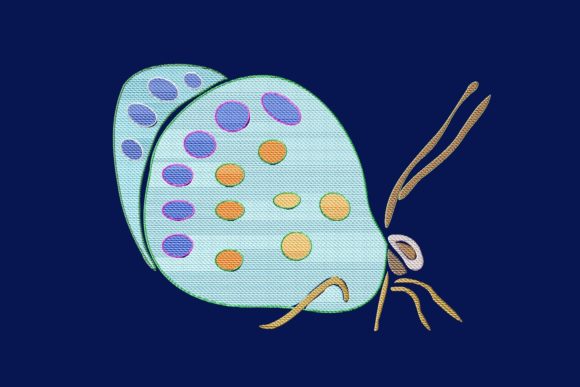
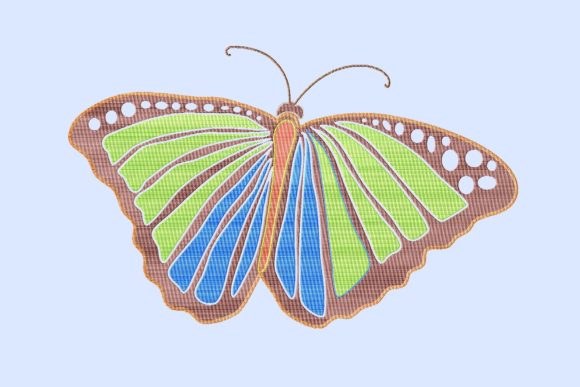
When I open a new embroidery file, I’m looking for more than just a picture. I’m looking for a partner for a project, something that will carry its own weight and contribute to the final story of a handmade product. The Cute Brown Fall Butterfly design immediately feels like a character in that story—a gentle, seasonal accent that’s less about flash and more about quiet charm.
The Quiet Confidence of a Seasonal Design
This butterfly has a certain mood. It’s not the bright, tropical butterfly you might use for summer; its brown tones and friendly shape suggest a softer, cozy feeling. It belongs to autumn, to warm sweaters, muted decor, and gifts that feel thoughtful rather than loud. The visual personality is welcoming, a little whimsical, but grounded. For an embroidery designer, that’s a useful starting point. It tells me this design naturally fits into projects where you want to add a touch of nature-inspired warmth without overwhelming the piece.
I picture it on a linen pillow cover in a cozy reading nook, or as a single, perfect accent on the corner of a cotton tea towel. Its shape and detail level seem balanced—likely enough detail to be interesting, but not so dense that it becomes a stitching challenge on simpler fabrics. This is the kind of machine embroidery design that bridges personal projects and small business merchandise effortlessly.
Where This Butterfly Finds Its Wings
Let’s talk real use. I’m imagining a specific scenario: a custom embroidered tote bag for a small shop’s autumn market. The bag is a sturdy canvas, and the owner wants a unique, seasonal logo that isn’t a pumpkin or a leaf. The Cute Brown Fall Butterfly sits perfectly in this space. It’s recognizable, brand-friendly, and stitch-out perfectly on that type of fabric. It would elevate a simple tote into a boutique product.
More broadly, its application range is thoughtful. For apparel decorators, it’s a lovely, subtle addition to the cuff of a sweater or the chest of a lightweight fall jacket. For those creating baby items or nursery decor, its gentle aesthetic works well on a blanket corner or a romper, provided the fabric is suitable. As a personalized gift, embroidered onto a kitchen towel or apron, it feels handmade and special. For an Etsy seller creating holiday gifts, it offers an alternative to more traditional motifs.
As a digital product itself, for fellow craft business owners, it’s a solid design asset. It would create a clean, appealing printable mockup for a store listing, suggesting a finished product with good visual appeal and stitching clarity. That builds customer trust—they can see a professional, coherent design.
A Practical Mindset for Stitching Success
Any experienced embroiderer knows a design’s potential is only realized with proper technique. The Cute Brown Fall Butterfly, while appearing straightforward, requires the same practical considerations as any embroidery file.
First, always test it on scrap fabric first. This is non-negotiable. Use the same stabilizer and fabric type you plan for the final project. This reveals everything: how the stitch density behaves, whether small details like antennae stitch cleanly, and how the thread colors you choose interact with your background. Check thread color contrast carefully. Those brown tones could blend into a dark fabric if you don’t adjust, or pop beautifully on a light one.
Consider the hoop size. While the description doesn’t specify, a design of this theme likely needs a modest hoop, but you must confirm this before starting a project. Inspect the small details in your test run. A single misplaced stitch in a tiny area can unravel the whole charm.
I also recommend testing the design concept in simple black and white mockups, and comparing how it would look on both light and dark fabric backgrounds. This helps you plan its use for a range of products—maybe it becomes a lovely white-on-dark embroidery for a cap, or a brown-on-cream design for a pillow.
Spaces for Careful Application
Not every design is for every surface. The Cute Brown Fall Butterfly should be used carefully on highly textured fabrics, where its finer details might get lost. On very thin or stretchy fabric, like certain t-shirts, a robust stabilizer strategy is key to prevent puckering. Similarly, on curved surfaces like caps, you need to consider how its layout will adapt to the shape.
If the design has dense stitch areas—common in fill stitch sections—be mindful on products that will need frequent washing, like apparel or kitchen linens. Proper stabilization and quality thread will ensure longevity. And for any commercial embroidery project or product you intend to sell, always confirm the licensing terms of the digital embroidery file before proceeding. This protects your craft business and maintains professionalism.
The Final Impression: Value in the Details
What does using this design ultimately do for your project? It adds a layer of considered detail. For a handmade presentation, it feels intentional. For brand consistency for a small shop, it can become a recognizable, seasonal element. Its giftability is high because it’s not generic; it feels chosen.
For buyer engagement, whether in an Etsy listing or at a craft fair, a product featuring this butterfly tells a quiet story of autumn and craftsmanship. It doesn’t shout; it invites. That’s a valuable quality in a crowded market.
My final note as a reviewer is this: the Cute Brown Fall Butterfly is a design that asks you to think about context. It’s not a one-size-fits-all stamp. Its strength lies in its appropriateness—for fall designs, for cozy products, for gifts that carry a mood. Approach it with that mindset, do your practical prep with stabilizer and tests, and it will stitch out perfectly as a reliable partner in your next embroidery project, from a simple baby blanket to a line of boutique tote bags.