A Pumpkin Embroidery Design for Halloween Craft Fair Success
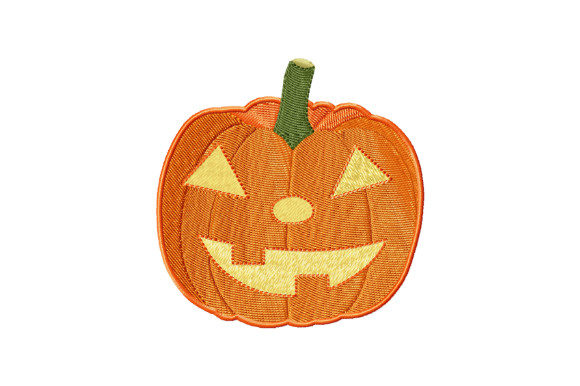
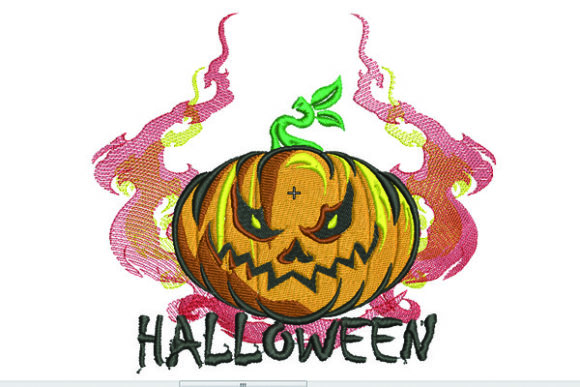
As a professional embroidery designer preparing for a busy Halloween craft fair, my first task is to review every design I plan to use. Today, I’m evaluating the Pumpkin for Halloween embroidery file. My goal is to judge its real-world potential: will it sell, will it look good in person, and is it practical to produce for my booth? Based on the description—scary and beautifully designed—my first impression is that this design leans festive and decorative, with a touch of spooky elegance. It’s not minimalist or overly cute; it sounds like a bold, classic Halloween motif with artistic flair. This is a promising starting point for a seasonal market.
Where Pumpkin for Halloween Stands Out on the Craft Fair Table
Imagine my booth display: a mix of embroidered tote bags, aprons, tea towels, caps, patches, and pillow covers. The Pumpkin for Halloween needs to carve out its own space. On a dark fabric tote bag or a market bag, this design could become a striking focal point. Customers notice contrast and bold themes quickly. I envision it on a black apron or a deep purple pillow cover—the “scary” element paired with “beautifully designed” suggests it has enough detail to feel premium, not generic. As an accent on a fabric pouch or as a stand-alone embroidered patch, it could attract buyers looking for unique, giftable handmade items. Its strength is its seasonal specificity; during Halloween, it immediately communicates its purpose.
Evaluating Performance on Key Products
Let’s break down how this machine embroidery design might perform on specific craft fair products.
- Tote Bags & Market Bags: A larger application here would allow the beautiful details to shine. It becomes a main feature, boosting the product’s value. I’d test it on a sturdy cotton or canvas.
- Aprons & Kitchen Towels: For an apron, placement on the chest or pocket could work well. On tea towels, the fabric texture matters—a smooth linen might showcase it better than a highly textured towel.
- Caps: Embroidering on curved cap surfaces is tricky. This design’s potential stitch density and detail need evaluation. If it has very dense areas, it might pucker on a cap’s structured fabric.
- Patches: A embroidered patch version of Pumpkin for Halloween could be incredibly versatile. Customers love patches for costumes and accessories. However, small lettering or tiny details might lose clarity at a small patch size.
- Pillow Covers & Giftable Items: This feels like a natural fit. As home decor, it aligns perfectly with “spooky home decor items.” A pillow cover becomes a higher-value item, and the design’s beauty would be fully displayed.
- Booth Samples & Etsy Listings: For photography, this design needs to pop. On dark fabric, thread contrast is crucial. A successful printable mockup or a real physical sample is essential to show customers its quality.
Practical Production & Selling Points for Your Small Shop
Beyond aesthetics, I must consider production logistics for my small shop product batch.
Visual Comprehension: At a craft fair, customers grasp a design in seconds. Pumpkin for Halloween should be easily understood—it’s a pumpkin for Halloween. That’s a win. It works as both a large focal design on a bag and potentially as a smaller accent on a pouch, depending on its complexity.
Batch Production Repeatability: If the embroidery file is clean with manageable stitch counts, it can be repeated efficiently. I always advise: test the design on scrap fabric first. Check for any overly dense stitch areas that slow production or risk needle breaks. Review the spacing of elements; crowded details can blur on certain fabrics.
Photography & Online Sales: For my Etsy seller side, how this design photographs is vital. Embroidered items on dark fabric sometimes require careful lighting to prevent details from disappearing. Creating at least one real mockup is non-negotiable to assess this.
Crucial Embroidery Designer Notes Before Hooping Up
Before I commit to using Pumpkin for Halloween for commercial embroidery products, here is my personal checklist.
- Test on Scrap Fabric: Use the exact fabric you plan to sell (e.g., towel linen, bag canvas). Check thread contrast—especially if using dark backgrounds.
- Inspect Stitch Density: Run the file. Are there satin stitch clusters or filled areas that might be too thick for lightweight fabrics or curved surfaces like caps?
- Confirm Hoop Size: The description doesn’t specify, so I must check the file details. Does it fit a common hoop size for my typical products? This affects production flow.
- Use the Right Stabilizer: A decorative design like this may need good stabilization to prevent puckering, especially on items like tea towels or pouches.
- Compare Fabric Colors: Make samples on a range of colors—black, orange, cream—to see which best enhances the “scary and beautiful” vibe.
- Confirm Commercial Licensing: The description mentions it’s a machine embroidery file. I must verify the license allows for selling finished products at craft fairs or online. Never assume.
How Pumpkin for Halloween Enhances Your Booth & Brand
Finally, the impact on my overall craft fair presence. A strong seasonal design like this boosts booth display strength. A cohesive Halloween section with this pumpkin featured on various products creates a themed zone that draws buyers in. It increases customer attention through clear, festive storytelling.
Product Value & Handmade Quality: A well-executed, beautiful embroidery design elevates a simple tea towel or tote into a specialty item. It shouts handmade quality. If the design is intricate without being fussy, it feels premium.
Brand Consistency: If my brand leans towards festive, decorative home goods, Pumpkin for Halloween fits seamlessly. It’s a seasonal anchor product.
Buyer Engagement: At the fair, I can point to the design’s details. “Look at the beautiful shading on this pumpkin” becomes a conversation starter. It makes the product feel thoughtful and designed, not just digitized.
In summary, the Pumpkin for Halloween embroidery design holds significant promise for Halloween markets. Its described scary beauty suggests visual appeal that can translate across multiple products, from pillow covers to patches. The key to its success lies in meticulous pre-production testing—understanding its behavior on different fabrics and in various sizes—and in presenting it on products that highlight its decorative strength. For fellow embroidery business owners and creative entrepreneurs, this design could become a seasonal staple, but only after putting it through the rigorous, practical review that turns a good digital embroidery file into a great finished product.