Puppies in Love: A Heartfelt Design for Real Projects
The First Impression: Whimsy and Warmth
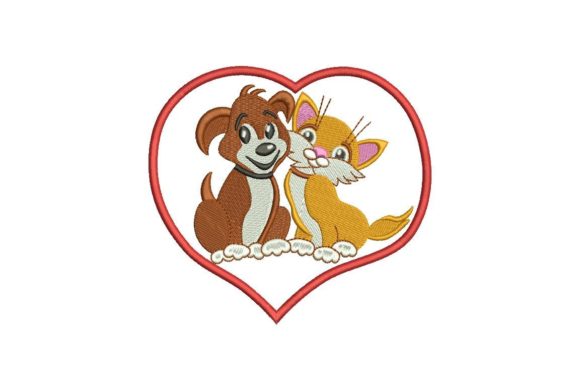
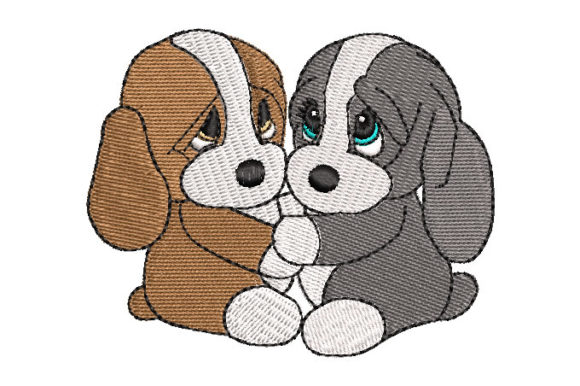
Opening the file for Puppies in Love, the immediate feeling is one of gentle, playful romance. This isn't a loud or cartoonish animal design; it’s a charming, tender scene that feels inherently sweet. As an embroidery designer looking at potential projects, my first thought is about mood. This design creates an instant emotional connection—it’s wholesome, affectionate, and perfectly fits the Baby Animals category without being overly juvenile. The layout likely centers on the pair of pups, with a composition that feels balanced for a focal point. The detail level seems aimed at clarity: enough to convey the loving theme without excessive complexity that might bog down on certain fabrics. Its visual personality is soft and inviting, which tells me it naturally belongs on gifts, personal apparel, and handmade products meant to convey care.
Where Puppies in Love Stitches Out Perfectly
Based on the description saying it stitches out perfect on any fabric needing a romantic touch, I’m thinking through real-life applications. For a custom embroidered sweatshirt or tote bag, this design would be a standout feature. Imagine a cozy, heather-gray sweatshirt with this motif on the chest—it immediately becomes a boutique-quality, sentimental piece. For small business merchandise, like a linen apron or a cotton pillow cover for a nursery, it adds that handmade presentation that customers value. I can see it working beautifully on a baby blanket or a child’s jacket as a personalized gift, the theme being universally appealing to parents and grandparents.
In a commercial embroidery context, for an Etsy seller creating holiday embroidery items like Valentine’s gifts or wedding shower presents, this design is a ready-made asset. It would stitch cleanly on a tea towel or a kitchen towel, turning a simple household item into a charming keepsake. The romantic touch mentioned suggests it’s not limited to baby items; it could grace a wedding gift handkerchief or a pair of commemorative caps. For craft fair products or printable mockups used in digital product stores, its clear, heart-melting aesthetic would engage buyers quickly.
Considering the Canvas: Fabric and Form
A key part of practical judgment is imagining the design on different surfaces. On a smooth, mid-weight cotton for a tote bag design, the satin stitch and fill stitch areas should look crisp. On a fluffy fleece blanket, the stitch density needs to be sufficient to prevent the design sinking into the texture—a good stabilizer choice would be crucial here. The design likely has elements that would make a beautiful embroidered patch, which could then be applied to thicker materials like denim jackets.
Scenarios for Caution and Careful Testing
While the description is optimistic, an experienced reviewer knows that "any fabric" still requires thoughtful application. Here are situations where I’d proceed with extra care:
- Small hoop sizes: If the design is large or detailed, squeezing it into a very small hoop might compromise the integrity of tiny features.
- Textured or stretchy fabric: Knits, like on a stretchy t-shirt, or highly textured linens might require multiple tests with different stabilizers to ensure the puppies’ outlines and details don’t distort.
- Dark fabric backgrounds: The romantic, soft mood might rely on lighter thread colors. On a black sweatshirt, you must check thread color contrast thoroughly—some subtle details could get lost.
- Curved surfaces like caps: The design’s layout needs to be evaluated for the cap’s curvature; a central, balanced motif might work, but detailed corners could be tricky.
- Products needing frequent washing: For items like baby clothes or kitchen towels that will be laundered often, the stitch density and construction need to be robust to maintain visual clarity over time.
This isn't to discourage use, but to emphasize that a successful finished product comes from matching the design’s strengths to the right project.
The Impact on Your Business and Customer
Using Puppies in Love in your craft business goes beyond just stitching a nice image. It affects perceived product value. A well-embroidered version of this design on a premium sweatshirt elevates it from a generic garment to a handmade product with a story. It boosts customer trust because the quality and theme are consistent and appealing. For a small shop product, it offers brand consistency if your niche is heartfelt, animal-themed, or gift-oriented items. Its high giftability is a major asset—it’s a design people buy to give, not just to own, which expands your market.
From a professional standpoint, a clean stitch-out of this design enhances your work’s professionalism. Whether you’re an apparel decorator or a hobbyist making personalized gifts, a crisp, heart-melting result shows attention to detail. It also has strong recognition; the “puppies in love” theme is instantly understandable and emotionally resonant, driving buyer engagement in Etsy listings or at a craft fair.
Practical Designer Notes Before You Hoop
Before loading this machine embroidery design for a client project or your own merchandise, here’s my standard review checklist:
- Always test the design on scrap fabric first, using the same material and stabilizer you plan for the final project.
- Check the provided or suggested thread colors against your fabric. Sometimes a slight shade adjustment can improve contrast and warmth.
- Review the stitch density in the file preview. Very dense areas on lightweight fabrics might require adjustments or specific stabilizers.
- Confirm the required hoop size from the design information. If it’s not listed in the description, you must check the actual embroidery file details.
- Inspect small details, like tiny features on the puppies, to ensure they will stitch clearly on your chosen fabric texture.
- Consider testing the design concept in black and white mockups to see how it reads purely as shape and form.
- If you plan to use it on both light and dark fabric backgrounds, do a sample on each to evaluate final appearance.
- Use the proper stabilizer for your fabric type—this is non-negotiable for maintaining that “perfect” stitch-out claim.
- Critically, check whether the design’s licensing allows for commercial embroidery use if you’re selling finished items or using it as a digital product asset. Never assume.
These steps turn a good embroidery design into a reliably excellent embroidery project.
Final Real-Life Scenario: A Custom Valentine’s Tote
Let’s walk through a concrete example. Imagine you’re preparing a custom embroidered canvas tote bag for a Valentine’s Day pop-up shop. You choose Puppies in Love. You select a natural canvas tote, a mid-weight stabilizer, and a soft palette of threads—perhaps blush pink and cream for the puppies. You test on a scrap of the same canvas. The stitch-out is clean; the romantic touch is unmistakable. The finished tote feels special, not mass-produced. At your shop, customers immediately connect with it; it’s not just a bag, it’s a sentiment. They ask if you can put it on a baby onesie or a pillow. This one digital embroidery file has given you a versatile, emotionally powerful asset for multiple product lines. That’s the real value of a design like this: when the theme is genuine and the execution is sound, it becomes more than stitches—it becomes a product people love.