From Planetary Names to Professional Patches: Evaluating the Neptune Embroidery Design
As a professional embroidery designer working with small businesses, I review digital embroidery files not just as decorative art, but as tools for building brand identity. When a design like Neptune lands in my studio, my first question is: how does this translate into real-world merchandise for a cafe, boutique, or creative studio? Let’s walk through a practical review of this design from a business-use perspective.
First Impression: A Bold and Modern Foundation for Branding
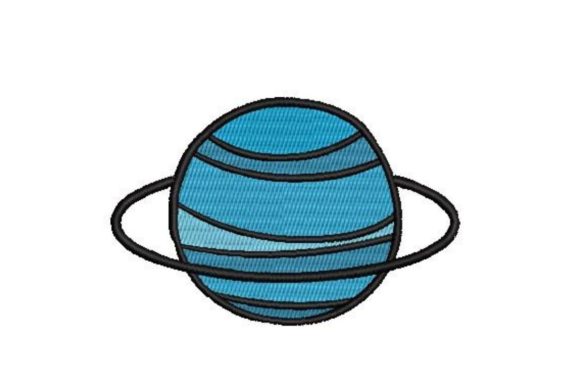
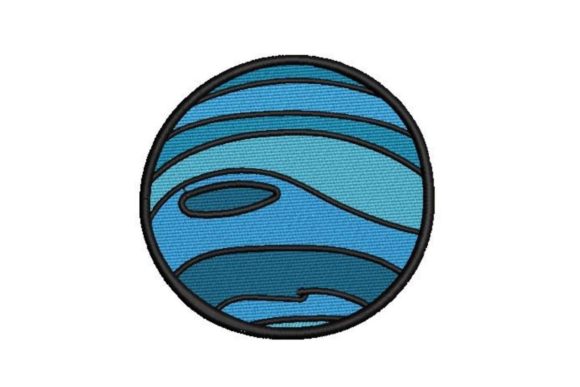
The title Neptune evokes a sense of depth, mystery, and strength—qualities many businesses want to associate with their brand. The description, tying it to the planetary giant, suggests a design with substantial visual weight. For a small business owner, this initial feeling is crucial. A design named Neptune doesn’t inherently feel playful or rustic; it leans toward bold, modern, and premium. This is excellent for businesses aiming for a professional, trustworthy, or slightly elegant aesthetic. Imagine a specialty coffee roaster, a tech-focused creative studio, or a boutique with a sleek, minimalist vibe. Neptune could serve as a powerful core logo or a striking accent piece on their merchandise.
Practical Performance on Key Business Merchandise
The true test of any embroidery file is its performance across the standard range of small business merchandise. Here’s how I envision Neptune performing in common applications.
Embroidered Patches for Product Labels and Customer Gifts
Patches are a versatile asset. A Neptune embroidered patch could be sewn onto tote bags as a brand mark, used as a product label on handmade goods, or offered as standalone merchandise. Its likely substantial form (given the “densest giant” description) means it could anchor a design well. However, for very small patch sizes—think a tiny label on a jar of artisan honey—the detail level needs to be checked. A high stitch count might not reduce cleanly. Always test the embroidery file at the intended small patch size first.
Staff Uniforms, Aprons, and Workwear Embroidery
For chest logos on polo shirts, sleeve details on chef jackets, or apron designs, Neptune could convey authority and quality. On a dark uniform fabric, thread color contrast becomes paramount. A lighter thread palette would be essential for visibility. The design’s potential density also matters for comfort on frequently worn apparel; a very dense stitch area on a chest logo can feel stiff. Testing on the actual fabric type—like canvas for aprons or polyester for uniforms—with proper stabilizer is a non-negotiable step before production.
Cap Embroidery and Tote Bag Design
Cap fronts and tote bags are prime branding locations. Neptune could make a striking central design on a cap, but curved surfaces challenge any design. Checking the hoop size requirements and ensuring the design fits the curved cap front without distortion is key. On a tote bag, it could serve as a beautiful, durable brand mark that elevates a simple product into a premium customer gift or event merch item.
Strategic Considerations for Brand Identity and Value
Using an embroidery design like Neptune isn’t just about decoration; it’s an investment in your brand’s visual story.
A strong, clean embroidery design on your merchandise immediately boosts perceived professionalism and customer trust. It signals care and commitment to quality. For a handmade brand or Etsy seller, a well-executed Neptune patch on your product can significantly increase its perceived value and visual consistency across your line. It turns a generic tote into your branded tote. This consistency builds recognition and fosters deeper buyer engagement.
However, the design’s personality must align with your brand’s voice. If your business is a playful, colorful pet brand, the more solemn Neptune might need to be balanced with other elements or a brighter thread color scheme to feel cohesive.
Embroidery Designer Notes for a Smooth Production Process
Before committing Neptune to any commercial embroidery project, follow these practical steps to ensure success and avoid costly mistakes.
- Start with a Black and White Test: Run a simple monochrome version first. This strips away color and lets you focus on the core structure, stitch density, and outline clarity.
- Review Thread Color Contrast: Plan your palette not just for beauty, but for legibility on your target fabrics, especially dark work shirts or bags.
- Inspect Spacing and Detail: Look closely at any potential tiny lettering or intricate outlines mentioned in the description. These can fill in or break at small sizes.
- Test on Real Fabric Swatches: Hoop up samples of the actual materials you’ll use—denim for tote bags, twill for caps, cotton for uniforms. Use the correct stabilizer for each.
- Create a Printable Mockup for Client Approval: If you’re an embroidery shop providing this service to a business client, a mockup showing Neptune on a cap or apron is invaluable for final approval.
- Compare it Beside Other Design Assets: Place a stitch-out of Neptune next to your client’s other branding elements (fonts, colors) to check for visual harmony.
- Confirm Commercial Licensing: Before any business use, verify the licensing terms of the digital embroidery file. Ensure your commercial application is permitted.
Where to Use Neptune Carefully
Even a strong design has its limits. Based on its description, here are scenarios where I would advise extra caution with the Neptune machine embroidery design.
- Very Small Patch Sizes: As mentioned, for tiny product labels, the detail might not survive reduction.
- High-Detail Areas on Textured Fabric: Rough fabrics like some canvas or linen can obscure finer details.
- Items Requiring Frequent Industrial Washing: High stitch density areas can be more prone to wear over time in heavy wash cycles (think kitchen aprons). A simpler version might be more durable.
- As a Standalone Design on Curved Surfaces: Without adaptation, a design meant for a flat hoop might not sit perfectly on a curved cap front.
The Final Step: Seeing Neptune as a Business Asset
Ultimately, the Neptune embroidery file is more than a pattern; it’s a potential brand asset. Its bold, planetary character offers a foundation for businesses seeking a modern and substantial identity. By rigorously testing it for your specific merchandise applications—patches, uniforms, caps, tote bags—you transform a digital file into tangible tools for building your brand’s recognition, trust, and value. Always remember: the success lies not just in the design itself, but in the careful, professional execution that turns it into a finished product your customers will notice and remember.