A Vintage Herb Border for Modern Crafters
As someone who designs and sells embroidered goods at fairs, I’m always looking for designs that aren’t just pretty, but are practical profit-makers. When preparing for a weekend market, every design in my arsenal needs to earn its spot. Let’s review the Vintage Style Round Herb Border as if I’m deciding whether to load it into my machine for this season’s batch production.
First Impression: Cheerful & Farmhouse-Friendly
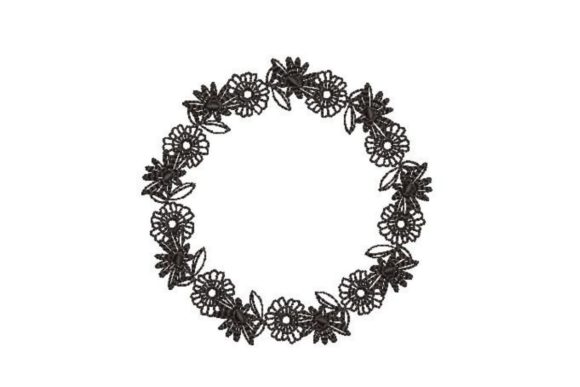
The name tells you everything: Vintage Style Round Herb Border. It’s not starkly modern or overly cute. It hits that sweet spot between rustic charm and decorative polish. This isn’t a minimalist line drawing; it’s a cheerful, illustrative border meant to evoke a sense of handmade warmth. For customers browsing a booth, that “farmhouse-friendly” vibe is a huge selling point. It feels premium without being overly formal, and decorative without being fussy. In a display among other items, it will stand out as approachable and giftable.
Where It Shines on Products: The Craft Fair Table
Imagine your table: tote bags, aprons, tea towels, caps, pouches, and pillow covers. This design isn’t a gigantic focal piece; it’s a border. That means its power is in framing and accenting.
- Tote Bags & Market Bags: Running this along the top hem or bottom edge of a canvas bag instantly elevates it from plain to “boutique maker” quality. It’s a recognizable, complete design that customers understand at a glance.
- Aprons & Kitchen Towels: This is its natural home. Embroidered along the hem of a tea towel or the skirt of an apron, it screams “handmade kitchen charm.” The vintage herb theme aligns perfectly with the cottage-core and practical kitchen trends.
- Pillow Covers: As a border on a linen pillow cover, it creates a lovely, soft decorative edge. It works well as a smaller accent here, not needing to fill the entire space.
- Fabric Pouches & Small Gifts: On the flap of a pouch or the edge of a simple cosmetic bag, it adds that special touch that justifies a higher price point.
- Embroidered Patches: This design could be excellent as a standalone patch. The round, bordered nature makes it a self-contained motif perfect for applying to caps, jackets, or bags. This opens up another product category entirely.
For caps, be cautious. The curved surface can distort a circular border. It might need to be adapted or placed very carefully, perhaps on the flat panel at the back.
The Practical Production Checklist
The product description says it’s “very well digitized” and “easy to embroider.” That’s the promise. My job is to verify that for batch production. Here’s my real-world designer protocol.
- Test on Scrap First: Always embroider the Vintage Style Round Herb Border on a scrap of the actual fabric you’ll use—whether it’s textured towel, thick canvas, or smooth linen. Check for stitch density issues.
- Thread Contrast is Key: This design likely has detail. Use high-contrast thread on your fabric so every herb and leaf is crisp. On dark fabric, bright or neutral threads will be essential.
- Review Spacing & Hoop Size: As a border, its dimensions matter. Confirm the hoop size needed and whether the design’s repeat or length fits your product area without awkward cropping.
- Stabilizer Selection: A well-digitized design still needs the right stabilizer. For towels or bags, a sturdy cut-away might be necessary to prevent puckering, especially if there are dense stitch areas.
- Create One Real Mockup: Before batching 20 tote bags, make one complete finished product. This tells you how it photographs for your Etsy listings and how it feels in hand. Does it look as good as the digital mockup?
- Compare Fabric Colors: Try the design on a light natural linen and a dark navy cotton. See which version has more visual appeal and customer attention potential.
Critical Note: The description mentions it comes with multiple embroidery file formats. This is vital for commercial embroidery across different machines. It also states it “can be used w”—I assume this means for commercial use. However, always confirm the exact commercial licensing terms before selling finished products. Do not assume.
Selling Power: Attention, Value & Consistency
From a seller’s perspective, this design affects several key areas.
Customer Attention: On a crowded craft fair table, a product with a clear, attractive border like this draws the eye. It’s more distinctive than a plain item and more coherent than a random scattered motif. People notice completed edges.
Product Value Perception: An embroidered border adds tangible handmade quality. It tells the buyer, “This was individually crafted, not mass-produced.” That justifies a price increase over a plain or screen-printed item.
Brand Consistency: If your shop leans into vintage, kitchen, or garden themes, the Vintage Style Round Herb Border can become a signature element across different products, creating a cohesive look for your booth or Etsy shop.
Booth Display Strength: Use it on your booth samples themselves! An apron you’re wearing with this border embroidered on it is a walking advertisement. A pillow on your display table showcases the design’s application.
Careful-Use Notes for Quality Results
Even easy-to-embroider designs have nuances.
- Tiny Details & Small Sizes: If you shrink this design down for a tiny accent on a cap or pouch, check that the herb details don’t lose clarity and become muddled stitches.
- Dense Stitch Areas: Well-digitized usually means balanced density, but test it. High density on lightweight fabrics can cause stiffness or distortion.
- Photography for Online Listings: Photograph your finished product in good light. The round, bordered nature should look neat and intentional. A flat-lay shot of a towel with this border along the bottom is instantly understandable to online buyers.
- Repeatability for Batch Production: Because it’s a contained, symmetrical border, it should be highly repeatable. Hoop, stitch, repeat. This efficiency is crucial for preparing for a fair.
Final Designer’s Verdict
The Vintage Style Round Herb Border has strong potential as a craft fair product. Its theme is popular, its application is clear (borders on kitchen and home goods), and the promise of good digitization suggests production smoothness. Its greatest selling chance lies on tea towels, aprons, and tote bags—items where a decorative edge makes logical and aesthetic sense.
My advice: Treat it as a versatile design asset. Don’t just use it on one product type. Show it across a range—a small pouch, a large bag, a towel—in your booth to demonstrate its flexibility. That variety itself sells the design and your skill. Always, always make that first physical sample. The digital file is a promise; the embroidered fabric is the product you sell. With careful testing on your chosen materials, this cheerful border could become a reliable, profitable part of your handmade product line.