A Professional Review of the Unicorn with Wings Embroidery Design
As an embroidery designer preparing for a busy craft fair weekend, every design I choose needs to justify its place on my production schedule and on my display table. Today, I’m reviewing the Unicorn with Wings embroidery file, evaluating its real-world potential for handmade market products. This isn't just about a cute graphic; it's about assessing its commercial appeal, production practicality, and how it will perform in a bustling booth surrounded by tote bags, aprons, and tea towels.
First Impression: Where This Design Lands on the Mood Spectrum
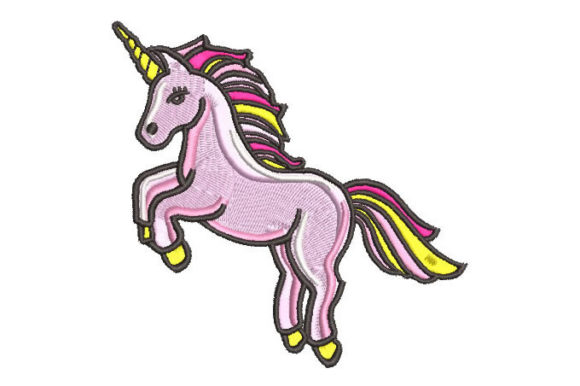
The title Unicorn with Wings immediately sets a tone. This design leans decisively into cute, decorative, and whimsical, with a touch of premium fantasy. It’s not minimal or rustic; it’s a statement piece meant to evoke magic and charm. For a craft fair audience, this is a strong starting point. It has a clear, universal appeal, particularly for products aimed at children, gifts, and playful home decor. The description suggests it makes creations “out of this world,” which aligns with a design that needs to feel special and eye-catching in person.
Product Placement: Where Unicorn with Wings Will Stand Out
When planning my booth display, I visualize where each design will have the greatest impact. For Unicorn with Wings, I see several standout applications.
Strong Contenders for Top Sales
- Tote Bags & Market Bags: A larger, bold application on a tote bag creates a fantastic focal point. The whimsical nature increases the perceived value of a functional bag, turning it into a giftable item.
- Pillow Covers: For room decor, a well-placed unicorn on a pillow cover is instantly appealing. It photographs beautifully for online listings like Etsy and can anchor a decorative section of the booth.
- Embroidered Patches: This is a versatile winner. Patches allow customers to personalize their own items (backpacks, jackets) and are lower-cost, high-volume craft fair products. The design’s detail must hold up at a smaller size.
- Children’s Apparel & Pouches: Stitching on kids' clothes or small fabric pouches aligns perfectly with the description. These are quick-turn, attractive items that parents and gift-buyers notice immediately.
Considerations for Specific Products
- Aprons & Kitchen Towels: While possible, the fantasy theme may feel less cohesive on utilitarian kitchen items unless specifically targeting a playful, family-themed kitchen aesthetic.
- Caps: Embroidering on curved cap surfaces requires careful testing. Small, intricate details of the wings or horn might lose clarity on textured fabric.
- Booth Samples: Creating one stunning, large-scale mockup—perhaps on a premium tote—is crucial. It serves as a visual anchor, drawing customers to the smaller, batch-produced items like patches and pouches.
Practical Production & Selling Points
Beyond appeal, a design must be practical to produce in batches for a fair.
Design Clarity & Batch Production
The Unicorn with Wings appears to be a detailed design. This requires attention during production. Dense stitch areas can be time-consuming and require robust stabilizer, especially on fabrics like towels or thinner bag materials. I must test on scrap fabric first to check stitch density and thread coverage. Tiny details, if present, need to be evaluated for clarity when stitched smaller—a 4-inch patch versus a 10-inch pillow cover. For batch production, a design that stitches cleanly and reliably is key. I advise checking the exact hoop size requirements and recommended thread colors in the file information before committing to a production run.
Photography & Online Sales
For my Etsy shop and digital mockups, this design has advantages. Whimsical, colorful designs photograph well and create engaging listings. Good contrast on light and dark fabrics (test both!) will provide variety in product photos. Creating a printable mockup for digital sellers is straightforward, as the theme is easily understood at a glance.
Critical Designer Notes Before Hooping Up
My professional routine before any craft fair production includes these steps for a design like Unicorn with Wings.
- Test on Scrap Fabric: Use the same materials you’ll sell—canvas for bags, cotton for towels, twill for patches. Check for puckering and stitch integrity.
- Evaluate Thread Contrast: Stitch it on both light and dark background fabrics. Does it pop? Some fantasy designs need bright whites and pastels to shine.
- Review Spacing & Density: Are there very small, closed areas? These can be problematic on textured towels or curved caps.
- Create a Real Physical Mockup: Don’t rely on digital previews. Stitch one perfect finished product. This reveals actual appearance, customer appeal, and any production hiccups.
- Confirm Commercial Licensing: The description mentions it comes with multip. I must explicitly confirm the license terms for selling finished handmade products at craft fairs and online.
Final Booth Strategy & Customer Engagement
In the final booth layout, Unicorn with Wings will occupy a dedicated “Fantasy & Gifts” section. Its visual appeal drives customer attention. A well-embroidered product conveys handmade quality and brand consistency. For buyer engagement, it’s a conversation starter—parents will point it out to children, and it evokes nostalgic, joyful reactions. This directly increases product value and booth display strength. By focusing on its strongest products—totes, pillows, and patches—I can maximize its sales potential while managing production complexity. This machine embroidery design, with careful preparation, can indeed make creations seem out of this world and become a profitable part of a craft fair product lineup.